MUSCULAR SYSTEM
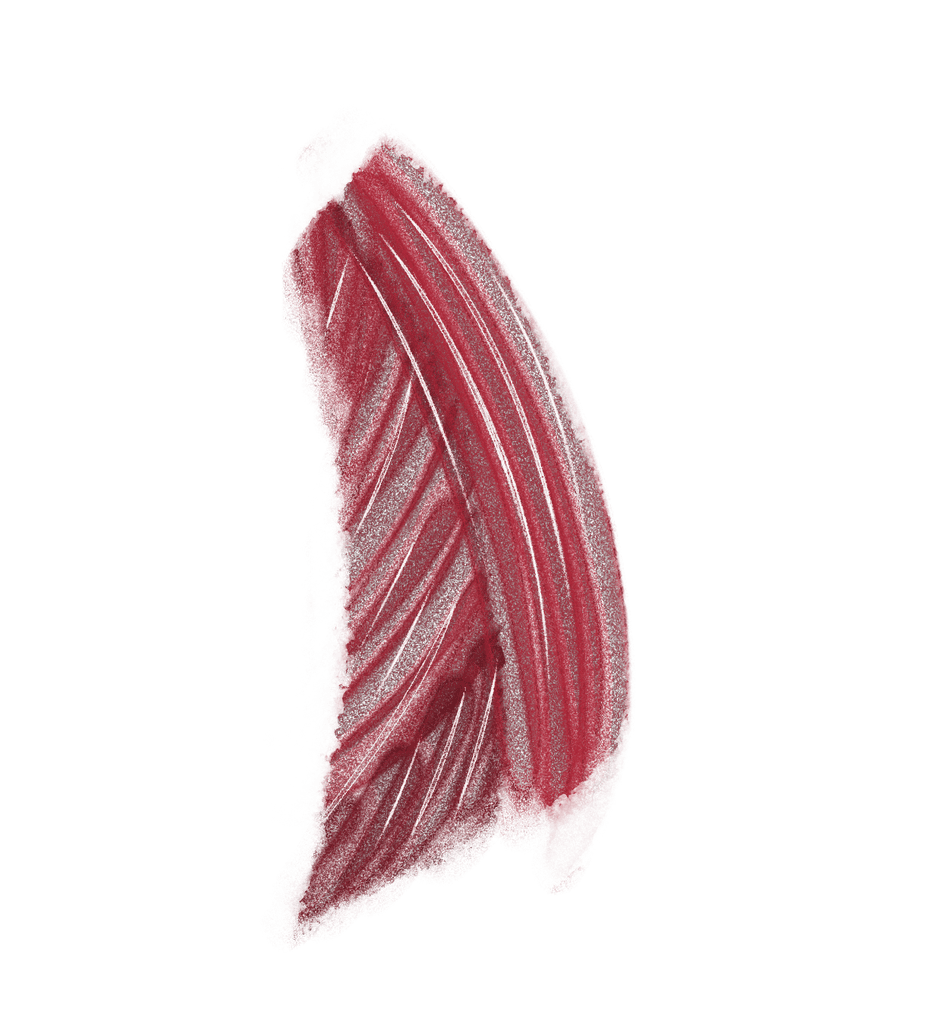
The muscular system is what gives our body the power to move, lift, breathe, and even smile. Whether we’re running, stretching, or just sitting upright, our muscles are constantly at work — some we control, others work on their own without us even noticing. From blinking to beating hearts, this system keeps us going every second of the day.
We have over 600 muscles in our body, but not all muscles are the same — our body uses three different types of muscles to handle everything from voluntary movement to automatic functions like heartbeat and digestion.
Smooth
These are the muscles we use consciously — they're the ones we think about when we move. Skeletal muscles are attached to our bones and allow us to do things like walk, lift objects, smile, chew, or even type on a keyboard. They work in pairs: while one muscle contracts to pull, the opposite one relaxes. These muscles give our body shape, strength, and movement, and they’re what we train when we exercise.
This muscle is found only in the heart and is completely unique. Like smooth muscle, it works on its own, but it's also incredibly strong and rhythmic. The cardiac muscle contracts steadily and powerfully to keep the heart beating, pumping blood to every part of the body, day and night, without stopping, even while we sleep.
Cardiac
MUSCLES
Unlike skeletal muscles, smooth muscles work automatically without us having to think about them. They’re found in the walls of internal organs like the stomach, intestines, bladder, and blood vessels. These muscles handle essential functions like moving food through our digestive system or controlling the flow of blood. We don’t feel them working, but they’re active all the time, keeping internal processes running smoothly.
Skeletal
Muscles don’t act alone
They need instructions from the nervous system to work. Every time we move, our brain sends signals through nerves to tell specific muscles to contract. That’s why coordination, balance, and reaction time rely on healthy communication between muscles and nerves.
Muscles help with more than movement
Muscles are involved in things we don’t always associate with “moving”:
Breathing: The diaphragm is a muscle. Without it, we couldn’t inhale or exhale.
Circulation: Skeletal muscles help push blood through veins, especially in our legs.
Body temperature: When we’re cold, muscles shiver to create heat. That’s your body trying to warm itself up.
Muscle loss happens with inactivity
If we stop using our muscles regularly, they can weaken and shrink — this is called muscle atrophy. It’s common with age, illness, or long periods of inactivity, but the good news is: muscles can be rebuilt at any age through activity and strength exercises.
TENDONS
Tendons aren’t muscles themselves, but they’re a crucial part of the system. These strong, rope-like cords connect muscles to bones. When a muscle contracts, the tendon helps transfer that force to the bone, making movement possible. Without tendons, muscles couldn’t do their job.
GOOD TO KNOW
Name
Muscular system
Consist of
Muscles | Tendons
Main function
The muscular system allows us to move, maintain posture, and support vital functions like breathing, circulation, and digestion through the contraction and relaxation of muscles
MENU